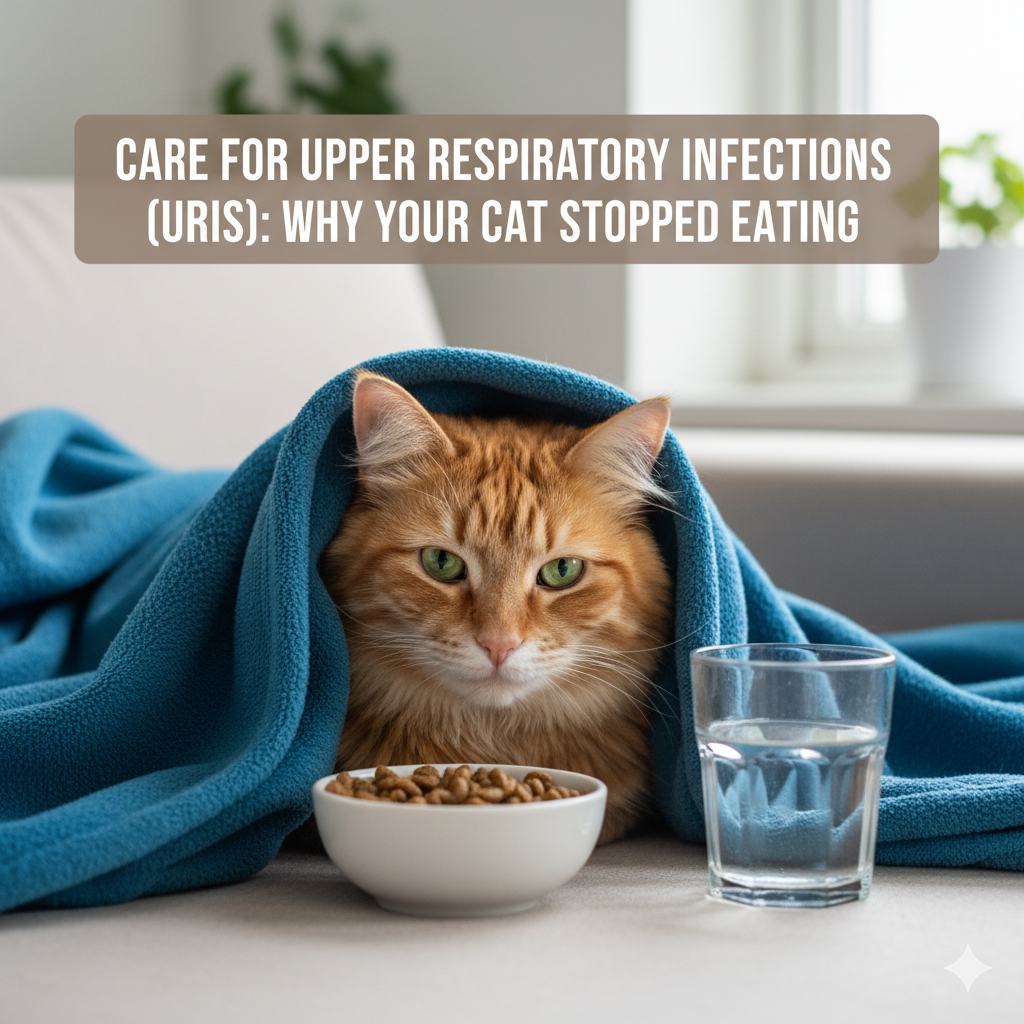

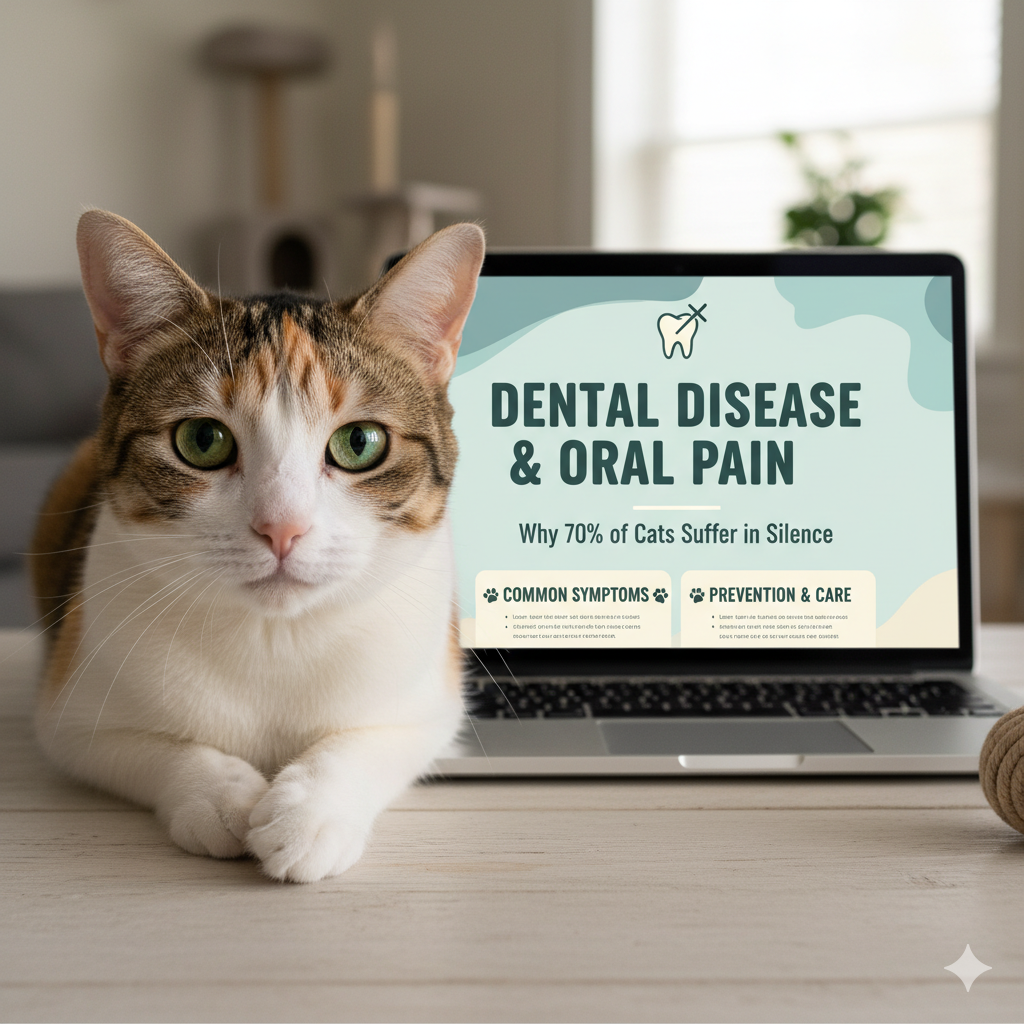
Oral pain and dental disease are two of the most common causes of loss of appetite in cats. They affect approximately 70% of them by the age of three. Cats instinctively hide dental pain. This makes it difficult for even the most attentive owners to know when their pet is in pain. From gingivitis in cats and periodontal disease to tooth resorption and feline stomatitis, oral health issues don’t just cause discomfort—they can cause life-threatening complications, including the spread of bacterial infections to vital organs and severe weight loss due to inability to eat. Every cat owner who wishes to avoid unnecessary suffering and costly emergency treatments must understand the link between the dental health of cats and overall well-being.
If your cat is interested in the food but does not eat, drops food from their mouth If you feel pain in your mouth or have difficulty chewing, it is likely that dental disease and oral pain have caused the problem. The insidious nature of cat oral health problems means that by the time visible symptoms appear—such as bad breath in cats, drooling, inflamed gums, or facial swelling—the disease often has advanced to a stage that requires professional intervention. This comprehensive guide will help you recognize the early warning signs for dental pain in cats. Monitoring the most common feline dental conditions, which involve tooth decay, dental abscesses, and painful mouth ulcers, and applying both preventive strategies and treatment solutions. Whether you’re noticing behavioral changes like relapse in grooming, pawing at the mouth, or reluctance to eat hard food, you’ll learn exactly when home care is appropriate versus when emergency veterinary dental care becomes compulsory to save your cat’s teeth and restore their quality of life.This is blog parts of piller blog why my cat is not eating?common cause sloution.
Understanding Feline Dental Anatomy: Why Cats Are Prone to Oral Disease

Dental disease and oral pain start with monitoring unique feline oral anatomy that makes cats significantly susceptible to periodontal disease and tooth resorption. Cats have carnivore-like teeth that are designed to tear meat. However, these same teeth create pockets in which bacteria can accumulate. This leads to gum disease and dental infection.
Key Dental Vulnerability Factors:
- Narrow tooth roots and deep gum pockets trap food particles and bacteria, causing plaque buildup
- Carnivorous diet evolution means less natural tooth cleaning compared to herbivores who chew fibrous plants
- Enamel structure differences make cats uniquely prone to tooth resorption lesions at the gumline.
- Limited saliva antibacterial properties compared to dogs, reducing natural bacterial protection
- Genetic predisposition in certain breeds like Siamese, Persians, and Abyssinians increases dental disease risk
The 70% Statistic: Prevalence of Periodontal Disease in Cats
Periodontal disease affects approximately 70% of cats by age three, making it the most important feline dental condition veterinarians encounter. This staggering statistic reveals that dental disease and oral pain aren’t rare exceptions—they’re the norm for adult cats without preventive cat dental care.
Disease Progression Statistics:
- 50-60% of cats under age 3 already show early gingivitis signs with mild gum redness
- 70% of cats age 3+ have established periodontal disease requiring professional intervention
- 85% of cats over age 6 experience moderate to severe dental issues, including tooth loss
- Only 2% of cat owners brush their cat’s teeth regularly despite veterinary recommendations
- Dental disease is the #1 diagnosed condition in routine veterinary wellness examinations
COMPARISON TABLE: Healthy Cat Gums vs. Dental Disease Stages
| Stage | Gum Appearance | Symptoms | Pain Level | Treatment Needed | Reversibility |
| Healthy Gums | Pink, smooth, firm | No bad breath, normal eating | None | Preventive care only | N/A |
| Early Gingivitis | Red line along teeth | Mild bad breath, slight plaque | Mild discomfort | Professional cleaning | ✅ Reversible |
| Moderate Periodontal Disease | Swollen, red gums | Bad breath, tartar buildup, reluctant chewing | Moderate pain | Deep cleaning + possible extractions | ⚠️ Partially reversible |
| Advanced Periodontal Disease | Receding, bleeding gums | Severe bad breath, loose teeth, drooling | Severe pain | Multiple extractions required | ❌ Irreversible damage |
| Tooth Resorption | Gum growing over teeth | Extreme sensitivity, food dropping | Extreme pain | Tooth extraction only | ❌ Irreversible |
Alt text: “Comparison table showing progression from healthy pink cat gums to severe periodontal disease with visual indicators, symptoms, and treatment requirements for each stage of dental disease”
Common Dental Conditions: From Gingivitis to Feline Stomatitis

Oral pain and dental disease encompass a variety of conditions with distinct symptoms Observing the difference between gingivitis in cats, tooth resorption, dental abscesses, and feline stomatitis helps recognize which specific cat oral health problems your feline is experiencing.
Primary Feline Dental Diseases:
- Gingivitis: Early gum inflammation is characterized by red, swollen, and irritated gums at the tooth margins. This can be reversed with proper cleaning
- Periodontal Disease: A severe infection that destroys gum tissue, tooth roots, and bone.
- Tooth Resorption: 70% of cats suffering from dental problems have progressive tooth decay that begins at the gum line.
- Dental Abscesses: Infections bacteriosus causing pus-filled pouches and severe facial swelling
- Feline Stomatitis: Inflammation of the mouth, tongue, throat and gums that is severe, requires aggressive treatment
Recognizing Dental Pain: Subtle Signs Your Cat Is Suffering
The symptoms of dental pain in cats are subtle behavioral changes, rather than distress signals. Because cats instinctively hide weakness, recognizing these early warning signs of dental disease and oral pain needs careful observation of eating habits, grooming behavior, and facial expressions.
Critical Warning Signs to Monitor
- Approaching food bowl but not eating indicates hunger and interest despite painful chewing experience
- Dropping food from mouth or chewing on one side suggests localized tooth pain or abscess
- Preference for soft food over dry kibble shows active avoidance of hard chewing motions
- Decreased grooming especially around face reflects painful mouth movements when licking paws
- Pawing at mouth, rubbing face on furniture represents attempts to relieve dental discomfort
CHECKLIST: 15 Signs Your Cat Has Dental Pain
☐ Eating & Drinking Changes:
- ☐ Approaches food bowl but walks away without eating
- ☐ Drops food from mouth while trying to chew
- ☐ Prefers wet food, refuses dry kibble suddenly
- ☐ Chews on one side of mouth only
- ☐ Takes longer to finish meals than usual
☐ Behavioral Changes:
- ☐ Decreased grooming, especially facial area
- ☐ Pawing at mouth or rubbing face on objects
- ☐ Hiding more than usual, avoiding interaction
- ☐ Irritability or aggression when face is touched
- ☐ Reluctance to play with chew toys
☐ Physical Symptoms:
- ☐ Bad breath (halitosis) – foul, rotten odor
- ☐ Excessive drooling, possibly blood-tinged
- ☐ Visible red or swollen gums
- ☐ Facial swelling, especially under eyes/jaw
- ☐ Weight loss from reduced eating
Alt text: “Interactive checklist of 15 behavioral and physical warning signs indicating dental disease and oral pain in cats, organized by eating changes, behavioral changes, and physical symptoms”
Advanced Symptoms: When Dental Disease Becomes an Emergency

Dental disease and oral pain can escalate from manageable discomfort to life-threatening emergencies requiring immediate veterinary dental care. Advanced symptoms including facial swelling, oral bleeding, inability to eat, and fever indicate dental infections spreading systemically.
Emergency Dental Symptoms:
- Facial swelling especially under eyes or jaw signals dental abscess rupture or severe infection
- Blood-tinged drool or bleeding from mouth indicates severe gum disease or oral trauma
- Complete food refusal for 24+ hours risks rapid hepatic lipidosis development in cats
- Lethargy with fever above 103.5°F suggests systemic bacterial infection requiring antibiotics
- Foul breath with visible pus shows advanced periodontal infection spreading to bloodstream
Home Dental Care: Prevention Strategies for Cat Oral Health
Preventing dental disease and oral pain through consistent home dental care dramatically reduces the need for professional interventions. Daily tooth brushing, dental treats, water additives, and annual professional cleanings maintain cat dental health and prevent painful conditions.
Effective Home Prevention Methods:
- Daily tooth brushing 3-5 times weekly using cat-specific enzymatic toothpaste, never human toothpaste
- Dental treats and chews with VOHC (Veterinary Oral Health Council) seal of approval
- Water additives containing enzymes reduce bacteria and plaque formation between brushings
- Dental prescription diets with larger kibble specifically designed to mechanically scrape teeth
- Annual professional cleanings prevent tartar buildup that causes irreversible gum disease
HOME DENTAL CARE ROUTINE CHECKLIST
📅 DAILY TASKS:
- ☐ Brush cat’s teeth with cat-specific toothpaste and soft brush (ideally once daily, minimum 3x/week)
- ☐ Provide fresh water with dental enzyme additive
- ☐ Observe eating behavior for any changes (dropping food, chewing difficulty)
- ☐ Check for bad breath during petting sessions
📅 WEEKLY TASKS:
- ☐ Offer VOHC-approved dental treats (2-3 times per week)
- ☐ Inspect gums visually for redness or swelling
- ☐ Clean food and water bowls thoroughly to reduce bacteria
📅 MONTHLY TASKS:
- ☐ Weigh cat to monitor for weight loss from eating difficulty
- ☐ Check teeth for visible tartar accumulation (brown/yellow buildup)
- ☐ Replace worn toothbrush or finger brush
📅 ANNUAL TASKS:
- ☐ Schedule professional dental examination
- ☐ Professional cleaning under anesthesia as recommended
- ☐ Dental X-rays if over age 5 or showing symptoms
- ☐ Update dental care supplies (new toothbrush, fresh toothpaste)
Alt text: “Comprehensive home dental care checklist organized by daily, weekly, monthly, and annual tasks for preventing dental disease and maintaining cat oral health”
Recovery and Long-Term Management: Life After Dental Treatment

Post-treatment care pointed out professional veterinary dental care for dental disease and oral pain more attentions on pain management, soft food transition, antibiotic completion, and establishing aviodings routines to avoid recurrence of periodontal disease and tooth resorption.
Post-Treatment Recovery Protocol:
- Pain medication for 3-7 days ensures comfortable eating during gum and extraction site healing
- Soft food diet for 7-14 days allows gums to heal without trauma from hard kibble
- Complete antibiotic course typically 10-14 days prevents secondary bacterial infections
- Monitor eating and behavior daily watch for appetite return within 24-48 hours post-surgery
- Schedule follow-up exam in 2-4 weeks ensures proper healing and no complications
POST-DENTAL TREATMENT RECOVERY TIMELINE
| Day After Treatment | What to Expect | Care Instructions | Warning Signs | When to Call Vet |
| Day 1-2 | Grogginess, mild drooling, reduced appetite | Offer soft food, give pain meds, quiet environment | No eating at all, excessive bleeding, vomiting | If no eating after 24 hours |
| Day 3-5 | Increased appetite, normal activity returning | Continue soft food, pain meds, monitor incision sites | Facial swelling, fever, refusing water | Swelling or fever present |
| Day 6-10 | Near-normal eating, grooming resumed | Transition to regular food gradually, antibiotics | Bad breath returning, difficulty chewing | Bad breath worsens |
| Day 11-14 | Full recovery, normal behavior | Complete antibiotics, resume dental care routine | Weight loss, continued food avoidance | Weight loss continues |
| Week 2-4 | Completely healed, schedule follow-up | Return to vet for healing check | New dental symptoms appear | Any new symptoms |
Alt text: “Post-dental treatment recovery timeline showing day-by-day expectations, care instructions, warning signs, and when to contact veterinarian after cat dental surgery”
FAQs
1. What are the signs of dental disease in cats?
Yes, dental disease shows clear physical and behavioral signs. Bad breath, red or swollen gums, drooling, difficulty eating, and pawing at the mouth are primary indicators of dental disease and oral pain in cats.
- Bad breath (halitosis) – foul, rotten odor from mouth indicates bacterial infection
- Red, swollen, or bleeding gums – gingivitis progressing to periodontal disease
- Drooling excessively – especially blood-tinged saliva from oral pain
- Dropping food from mouth – painful chewing causes food to fall out
- Pawing at face or mouth – attempting to relieve dental pain discomfort
2. How common is dental disease in cats?
Yes, dental disease is extremely common in cats. Approximately 70% of cats develop periodontal disease by age 3, making it the most diagnosed feline health condition in veterinary medicine.
- 50-60% of cats under age 3 – show early gingivitis signs
- 70% of cats age 3+ – have established periodontal disease
- 85% of cats over age 6 – experience moderate to severe dental issues
- Only 2% of owners brush cat teeth – lack of prevention contributes
- #1 diagnosed veterinary condition – more common than any other disease
3. Can dental disease cause a cat to stop eating?
Yes, dental disease and oral pain frequently cause appetite loss. Tooth pain, inflamed gums, dental abscesses, and mouth ulcers make chewing so painful that cats refuse food entirely.
- Pain when chewing – cats avoid food to prevent discomfort
- Tooth resorption lesions – extremely painful exposed nerves stop eating
- Dental abscesses – severe infection causes complete food refusal
- Gingivitis inflammation – swollen gums hurt when touching kibble
- Risk of hepatic lipidosis – not eating for 24-48 hours causes liver disease
4. What does gingivitis look like in cats?
Yes, gingivitis has visible characteristics in cat mouths. Red inflamed gums along tooth margins, swelling at gumline, bleeding when touched, and yellow-brown tartar buildup indicate gingivitis in cats.
- Red line along teeth – inflammation where gum meets tooth
- Swollen gum tissue – puffy appearance instead of firm and flat
- Bleeding gums when touched – indicates active inflammation
- Yellow or brown tartar – plaque hardened into calculus deposits
- Bad breath odor – bacterial overgrowth causes foul smell
5. How much does cat dental cleaning cost?
Yes, cat dental cleaning costs vary by procedure complexity. Basic professional dental cleaning ranges $300-$500, while cleanings with extractions cost $800-$2,500 depending on severity and number of teeth removed.
- Basic cleaning only: $300-$500 – scaling, polishing, exam under anesthesia
- Cleaning with X-rays: $500-$800 – includes full mouth radiographs
- Simple extractions: $800-$1,200 – 1-3 tooth removals with cleaning
- Advanced extractions: $1,200-$2,500 – multiple or difficult surgical extractions
- Full mouth extractions: $2,000-$4,000 – all teeth removed for stomatitis
6. What is tooth resorption in cats?
Yes, tooth resorption is a painful progressive dental disease. Cat tooth resorption causes tooth structure to dissolve starting at the gumline, affecting 30-40% of cats with dental disease and requiring extraction.
- Tooth structure dissolves – body destroys own tooth from inside out
- Starts at gumline – lesions appear where gum meets tooth
- Extremely painful condition – exposed nerves cause severe discomfort
- Affects 30-40% of dental cases – very common in older cats
- Only treatment is extraction – tooth cannot be saved once affected
7. How do I brush my cat’s teeth?
Yes, brushing cat teeth requires specific technique and products. Use cat-specific toothpaste (never human), soft finger brush or cat toothbrush, and brush 3-5 times weekly along the gumline.
- Use only cat toothpaste – human toothpaste toxic to cats
- Start with finger brush – easier control for first-time brushing
- Focus on outer tooth surfaces – where plaque accumulates most
- Brush along gumline – where gingivitis starts developing
- Brush 3-5 times weekly minimum – daily is ideal for prevention
8. What is feline stomatitis?
Yes, feline stomatitis is a severe painful mouth inflammation. Feline stomatitis causes extreme inflammation of gums, throat, tongue, and entire mouth, often requiring full mouth tooth extractions for relief.
- Entire mouth inflamed – not just gums but throat and tongue too
- Extremely painful condition – cats often cannot eat at all
- Immune-mediated disease – body attacks own mouth tissues
- Requires aggressive treatment – often full mouth extractions needed
- Affects 5-10% of cats – less common but very serious
9. Can bad breath in cats be serious?
Yes, bad breath indicates underlying dental disease. Halitosis (bad breath) in cats signals bacterial infection, periodontal disease, tooth decay, or dental abscesses requiring veterinary examination.
- Bacterial infection present – foul odor from mouth bacteria overgrowth
- Periodontal disease indicator – gum infection creates smell
- Not normal in cats – healthy cats don’t have bad breath
- Can indicate systemic disease – kidney or liver problems also cause odor
- Requires veterinary exam – professional diagnosis and treatment needed
10. What are dental abscesses in cats?
Yes, dental abscesses are serious bacterial infections. Dental abscesses form when bacteria infect tooth roots, creating pus-filled pockets, facial swelling, and severe pain requiring immediate veterinary care.
- Pus-filled infection – bacteria create abscess at tooth root
- Facial swelling – often visible under eye or along jaw
- Extreme pain – cat refuses to eat, may paw at face
- Can rupture – abscess may break through skin releasing pus
- Requires extraction and antibiotics – tooth must be removed
11. How long does cat dental surgery recovery take?
Yes, recovery time varies by procedure complexity. Basic cleaning requires 12-24 hours recovery, while tooth extractions need 7-14 days for complete healing with pain medication and soft food.
- Basic cleaning: 12-24 hours – minimal recovery, normal eating resumes
- Simple extractions: 3-7 days – soft food and pain medication needed
- Multiple extractions: 7-14 days – longer healing for extensive work
- Full mouth extractions: 14-21 days – most intensive recovery period
- Follow-up exam at 2-4 weeks – ensure proper healing occurred
12. Can cats eat without teeth?
Yes, cats can eat successfully without teeth. After full mouth extractions for severe dental disease and oral pain, cats adapt to eating soft food, wet food, and even small kibble using gums and tongue.
- Gums become tough – harden over time for eating
- Can eat wet food easily – no chewing required
- Small kibble manageable – can swallow whole or gum it
- Pain-free eating – better quality of life without painful teeth
- Adapt within 2-3 weeks – most cats adjust quickly
13. What is VOHC seal for dental products?
Yes, VOHC seal indicates proven dental efficacy. Veterinary Oral Health Council (VOHC) approval means dental treats, foods, or products are scientifically proven to reduce plaque and tartar.
- Independent testing organization – evaluates dental product effectiveness
- Science-backed approval – products must prove they work
- Reduces plaque and tartar – verified through clinical studies
- Look for VOHC seal – on dental treats, foods, water additives
- Trusted by veterinarians – recommended preventive products
14. When is cat dental pain an emergency?
Yes, specific dental symptoms require emergency care. Facial swelling, high fever above 103.5°F, inability to eat for 24+ hours, bleeding from mouth, or extreme lethargy indicate urgent veterinary intervention needed.
- Facial swelling – abscess rupture or severe infection present
- High fever (>103.5°F) – systemic infection spreading
- Not eating 24+ hours – risk of hepatic lipidosis developing
- Bleeding from mouth – trauma or advanced periodontal disease
- Extreme lethargy – pain crisis or sepsis developing
15. How do I prevent dental disease in cats?
Yes, dental disease is preventable with consistent care. Daily tooth brushing, VOHC-approved dental treats, annual professional cleanings, dental diets, and regular vet exams prevent periodontal disease development.
- Brush teeth 3-5 times weekly – most effective prevention method
- Annual professional cleanings – remove tartar below gumline
- VOHC dental treats – scientifically proven plaque reduction
- Dental prescription diets – kibble designed to scrape teeth
- Regular vet exams – early detection prevents progression
16. What causes tooth resorption in cats?
No, the exact cause of tooth resorption is unknown. While the precise trigger remains unclear, inflammatory processes, immune dysfunction, viral infections, and metabolic factors are suspected contributors to tooth resorption in cats.
- Inflammatory response – body’s immune system attacks tooth structure
- Possible viral trigger – calicivirus may play a role
- Metabolic imbalances – calcium regulation issues suspected
- Genetic predisposition – some breeds more affected
- No proven prevention – cause still being researched
17. Do indoor cats need dental care?
Yes, indoor cats absolutely need dental care. Indoor cats develop dental disease at the same rates as outdoor cats, with 70% having periodontal disease by age 3 requiring preventive care.
- Same disease rates – indoor cats get dental disease too
- No natural teeth cleaning – dry food doesn’t prevent disease
- Actually higher risk – less natural prey eating behavior
- Require brushing and cleaning – same prevention as outdoor cats
- Annual vet dental exams – essential for early detection
18. What are the stages of periodontal disease in cats?
Yes, periodontal disease progresses through four distinct stages. From Stage 1 gingivitis (reversible) to Stage 4 advanced disease (tooth loss), periodontal disease worsens without treatment causing irreversible damage.
- Stage 1: Gingivitis – red gums, reversible with cleaning
- Stage 2: Early periodontal disease – gum recession begins, partially reversible
- Stage 3: Moderate disease – bone loss, tooth mobility, extractions needed
- Stage 4: Advanced disease – severe bone loss, tooth loss, irreversible
- Early stages reversible – treatment prevents progression
19. Can I use human toothpaste on my cat?
No, never use human toothpaste on cats. Human toothpaste contains fluoride and xylitol, both toxic to cats, causing vomiting, seizures, or death. Always use cat-specific enzymatic toothpaste.
- Fluoride is toxic – causes severe gastrointestinal upset in cats
- Xylitol deadly – artificial sweetener causes liver failure
- Foaming agents harmful – cats cannot rinse and spit
- Use only cat toothpaste – safe enzymatic formulas available
- Flavored for cats – poultry or seafood flavors they tolerate
20. How do vets diagnose dental disease in cats?
Yes, diagnosis requires anesthesia and dental X-rays. Veterinary dental examination under anesthesia allows complete oral assessment, dental radiographs showing 60% of tooth structure below gumline, and probing for hidden disease.
- Anesthesia required – thorough exam impossible on awake cat
- Dental X-rays essential – 60% of tooth below gums invisible
- Tooth-by-tooth probing – measures gum pocket depth
- Visual inspection – checks for fractures, resorption, inflammation
- Comprehensive assessment – blood work before anesthesia for safety
Conclusion
By age three, 70% of cats suffer from dental disease and oral pain. This can be prevented and treated with the right knowledge and care.By observings startsing warning symptoms such as bad breath in cats, drooling, pawing at the mouth, and changes in eating behavior, you can techniques before minor gingivitis progresses to highly exertemly periodontal disease demanings extensive tooth extractions. The tables and checklists provided give you clear action plans—from regularly home dental care routines to emergency timelines showing when veterinary dental care becomes essectials.
Whether your cat suddently shows signs of tooth resorption, dental abscesses, or feline stomatitis, or Investing in the dental health of your cat will protect him from silent suffering.Do not hesitate to call 911 if you notice facial swelling, a high fever or an inability to eat. Use these tools to help your cat live a healthy and pain-free existence.
For comprehensive information on all causes of appetite loss, read our complete pillar guide: Why Is My Cat Not Eating? 7 Common Causes & Solutions