
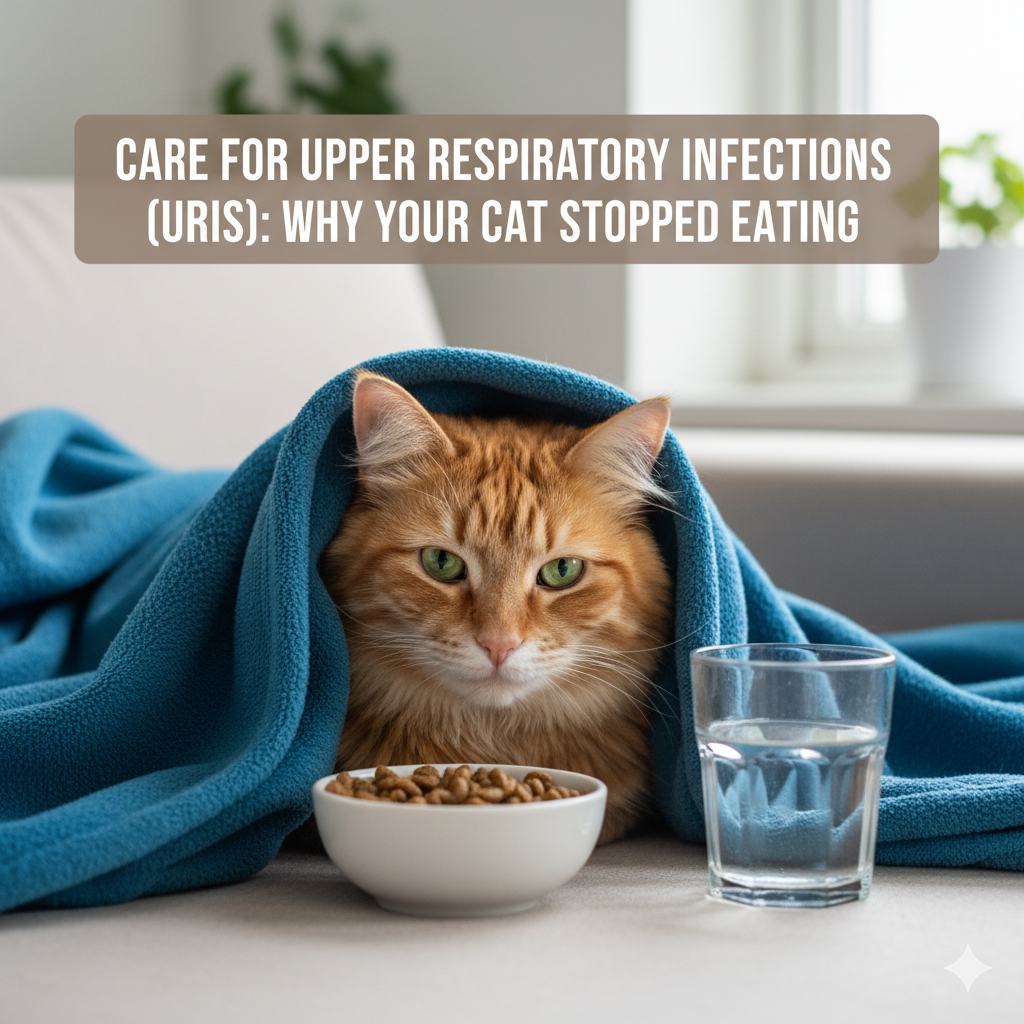
If your cat Upper Respiratory Infections suddenly stops eating and starts sneezing, it could be an upper respiratory infection. These infections can affect their appetite and well-being. Upper respiratory infections are one of seven medical conditions that cause cats to lose their appetite. This is especially true for those living in shelters or households with multiple cats. Unlike food refusal due to stress, URI causes a combination of symptoms that prevent cats from eating. Nasal congestion interferes with scent perception (cats rely on 90% smell to identify their food). Inflammation of the throat and painful ulcers in the mouth can make swallowing a miserable experience.
It is important to understand how upper respiratory infections (URIs), which cause appetite loss, can lead to serious complications, including dehydration and weight loss. Hepatic lipidosis, or fatty liver disease, can also occur when cats do not eat for more than 48-72 hrs. Feline upper respiratory infection It’s not just about the sneezes. You need to understand why your cat walks away from its food bowl or why it used to be food motivated. Why URI symptoms create a cascading crisis in health that requires immediate veterinary care. This comprehensive cluster guide connects directly to our pillar article, “Why Is My Cat Not Eating? 7 Common Causes & Solutions,” by exploring how viral and bacterial respiratory infections significantly sabotage feline appetite, recognizing the distinct URI symptoms that differ from other illnesses, and providing veterinarian-approved treatment protocols that restore both respiratory health and normal eating patterns before medical emergencies develop.
Understanding Upper Respiratory Infections (URIs) in Cats

Upper respiratory infections affect the nose, throat, and sinuses of cats. These infections are highly contagious and spread quickly in close-quarters environments. The term “cat flu,” or feline upper respiratory infection, describes a variety of infections primarily caused by feline herpesvirus type-1 (FHV-1) and feline calicivirus (FCV), which together account for approximately 90% of all upper respiratory infections (URIs) in cats worldwide. The infectious agents that cause upper respiratory infections in cats attack the mucous membranes that line the respiratory tract. This causes inflammation, which produces the typical cold-like symptoms. Many cat owners are unaware of the impact URI has on cats’ appetite, which is a complex, interconnected system that goes far beyond nasal congestion.
Key URI Infection Mechanisms:
- Olfactory disruption—nasal congestion and discharge block scent receptors that cats rely on for food recognition.
- Oral ulceration—painful lesions on tongue, palate, and gums make eating physically impossible
- Pharyngeal inflammation—severe throat swelling—creates painful swallowing that cats naturally avoid
- Systemic illness effects—fever, lethargy, and malaise—reduce overall interest in food and water
- Secondary bacterial infections—opportunistic bacteria worsen symptoms and prolong recovery timeline
Cats exposed to animals infected by upper respiratory infections (URIs) through direct contact or contaminated surfaces (food dishes, litter boxes, and toys) are at risk of contracting the infection. Even airborne particles can cause symptoms 2-10 days following exposure. Cats are contagious for the duration of their illness.
Recognizing the Symptoms of Upper Respiratory Infections
Monitoring upper respiratory infections early can make a particular difference in your cat’s recovery time and avoid complications. The clearest symptom that often alerts owners is when their cat stops eating, which ties directly back to the pillar topic of feline appetite loss. Cats with upper respiratory infections (URIs) may exude nasal discharge ranging from clear and watery to thick and colored, indicating the severity of infection.
Common symptoms to watch for:
- Sneezing, coughing, and nasal congestion that blocks breathing passages
- Watery eyes, eye discharge, and conjunctivitis causing eye inflammation
- Lethargy, fever, and lower activity levels indicating illness
- Loss of appetite and refusal to eat due to inability to smell food
- Drooling, mouth ulcers, and difficulty swallowing in severe cases
How Upper Respiratory Infections Cause Appetite Loss

The connection between upper respiratory infections and not eating is primarily linked to your cat’s damaged olfactory function. Cats rely heavily on their sense of smell to recognize and enjoy food, and when nasal passages become blocked with mucus and inflammation, this important sense diminishes dramatically. Upper respiratory infections (URIs) design a cycle where congestion avoids food detection, leading to decreased appetite and heavy malnutrition if left unaddressed.
Why URIs affect eating behavior:
- Blocked nasal passages aviods cats from testing food aromas and flavor profiles
- Mouth pain from oral ulcers makes chewing and swallowing uncomfortable
- General malaise and fever relose an overall loss of interest in eating
- Difficulty breathing while eating due to stress and feeding avoidance
- Dehydration from fever and reduced water intake worsens appetite suppression.
Diagnosing Upper Respiratory Infections in Your Cat
When you highlight your cat not eating along with other respiratory symptoms, a prompt veterinary examination is significant. Your veterinarian will perform a thorough physical examination, checking for nasal discharge, eye problems, fever, and dehydration. Diagnosis of upper respiratory infections commonly includes checking clinical signs, though in many or persistent cases, laboratory tests, involving PCR testing, viral cultures, or blood work, may be essential to identify the specific pathogen.
Diagnostic steps for URIs:
- Complete physical exam assessing respiratory rate, temperature, and hydration status
- Nasal swabs or throat cultures to observe specific viral or bacterial agents
- Blood tests to check up on white blood cell count and overall immune function
- X-rays or imaging in dangerous cases to rule out pneumonia
- Eye examinations to check for corneal ulcers or serious eye infections
It is important to get your cat eating during treatment. Warming the food, providing strong-smelling choices like chicken or tuna, and making sure that they are properly hydrated can make a significant difference.
Effective Treatment Options for Upper Respiratory Infections

Monitoring upper respiratory infections (URIs) requires a different-faceted approach focusing more attention on symptom management, supportive care, and dealing with the points of infection. While many viral URIs resolve on their own, your veterinarian may recommend antibiotics for secondary bacterial infections, antiviral medications for many herpesvirus cases, and supportive therapies to keep your cat comfortable. It is important to get your cat eating during treatment. Warming the food, providing strong-smelling choices like chicken or tuna, and making sure that they are properly hydrated can make a significant difference.
Treatment strategies include:
- Antibiotic therapy for bacterial infections or preventing secondary bacterial complications
- Antiviral drugs like famciclovir for severe feline herpesvirus infections
- Supportive care including fluid therapy, nutritional support, and steam therapy
- Eye medications such as ophthalmic ointments for conjunctivitis and eye discharge
- Appetite stimulants and feeding assistance to maintain caloric intake and prevent hepatic lipidosis
Home Care and Nursing Your Sick Cat
Perfect home care plays an important role in helping cats recover from upper respiratory infections. Observing a comfortable, stress-free environment with warm bedding, quiet spaces, and easy reach to food and water helps support the healing process. Humidifying the air using a vaporizer or running a hot shower can help loosen nasal congestion, making breathing easier and enhancing your cat’s ability to smell food.
Essential home care practices:
- Gently clean discharge from eyes and nose using warm, damp cloths many times regularly
- Offer tempting foods with strong odors like warmed wet food, tuna juice, or baby food
- Isolate infected cats from other pets to avoid disease transmission
- Monitor eating and drinking habits closely, reporting understand to your veterinarian
- Provide supplemental heat with heating pads or warm blankets for comfort
Prevention Strategies for Upper Respiratory Infections

Preventing upper respiratory infections (URIs) is especially easier than treating them effectively in multi-cat environments. Vaccination is closely tied to the importance of URI prevention, with core vaccines protecting against feline herpesvirus and feline calicivirus. Understanding good hygiene practices, reducing stress, making sure of proper nutrition, and limiting exposure to infected cats particularly decrease infection risk. Daily veterinary checkups and maintaining a strong immune system through quality diet and stress management are important avoidance measures.
Preventive measures to implement:
- Vaccinate regularly following your veterinarian’s prescribed vaccination schedule
- Practice good hygiene by disinfecting food bowls, litter boxes, and bedding regularly
- Minimize stress through environmental enrichment and routine maintenance
- Quarantine new cats for 10-14 days before introducing them to resident cats
- Boost immunity with quality nutrition, supplements, and regular health monitoring
Table 1: Common Pathogens Causing Upper Respiratory Infections in Cats
| Pathogen | Type | Transmission Method | Primary Symptoms | Treatment Approach |
| Feline Herpesvirus (FHV-1) | Viral | Direct contact, airborne | Severe sneezing, eye discharge, conjunctivitis | Antiviral medications, supportive care |
| Feline Calicivirus (FCV) | Viral | Direct contact, contaminated surfaces | Mouth ulcers, lameness, fever | Supportive care, pain management |
| Bordetella bronchiseptica | Bacterial | Airborne, direct contact | Coughing, nasal discharge, fever | Antibiotics, isolation |
| Chlamydia felis | Bacterial | Direct contact | Conjunctivitis, mild nasal discharge | Antibiotic eye drops, oral antibiotics |
| Mycoplasma | Bacterial | Direct contact | Mild respiratory signs, conjunctivitis | Antibiotics, supportive therapy |
Table 2: URI Treatment Timeline and Expected Recovery Milestones
| Timeline | Expected Progress | Treatment Focus | Signs of Improvement | Action Required |
| Days 1-3 | Symptoms peak, appetite declines. | Begin medications and supportive care | Accepting some food, stable hydration | Monitor closely, maintain treatment |
| Days 4-7 | Gradual symptom reduction | Continue medications, encourage eating | Reduced discharge, improved appetite | Continue treatment, veterinary follow-up |
| Days 8-14 | Significant improvement | Taper medications as directed | Normal eating, increased activity | Monitor for relapse, finish medications |
| Days 15-21 | Near-complete recovery | Supportive care only | Full appetite, normal behavior | Final veterinary check, preventive measures |
| Beyond 21 days | Complete resolution or chronic URI | Long-term management if needed | Return to baseline health | Address underlying issues, boost immunity |
This compulsory guide on upper respiratory infections (URIs) describes how these common feline illnesses directly contribute to appetite loss—a key concern addressed in the pillar article “Why Is My Cat Not Eating? 7 Common Causes & Solutions.” By understanding the symptoms, treatment options, and prevention strategies for URIs, cat owners can better identify when their pet’s eating problems stem from respiratory issues and take appropriate action to restore their cat’s health and appetite.
FAQs
1. Can upper respiratory infections kill cats?
No, upper respiratory infections rarely kill healthy adult cats, but yes, they can be fatal in kittens, senior cats, or immunocompromised felines if left untreated.
- Mortality rate is low (less than 5%) in healthy adult cats with proper veterinary care
- Kittens and cats with weakened immune systems face higher life-threatening risks
- Secondary complications like pneumonia or severe dehydration increase fatality rates
- Timely treatment with antibiotics, supportive care, and fluid therapy prevents deaths
- Complete loss of appetite leading to hepatic lipidosis poses the greatest danger
2. How long do upper respiratory infections last in cats?
Yes, most upper respiratory infections resolve within 7-21 days with appropriate treatment and supportive care.
- Mild cases typically clear up within 7-10 days with home care and rest
- Moderate to severe infections may require 14-21 days for complete recovery
- Chronic carriers of feline herpesvirus may experience recurring symptoms throughout life
- Untreated URIs can persist for 4-6 weeks and lead to serious complications
- Proper veterinary treatment significantly shortens infection duration and prevents relapse
3. Are upper respiratory infections contagious to other cats?
Yes, upper respiratory infections are highly contagious and spread rapidly between cats through direct contact and airborne transmission.
- Transmission occurs via sneezing, coughing, shared food bowls, and contaminated surfaces
- Infected cats can spread viruses and bacteria even before showing visible symptoms
- The incubation period ranges from 2 to 10 days after exposure to infected cats
- Isolation of sick cats for 10-14 days prevents disease spread in multi-cat households
- Vaccination and proper hygiene reduce transmission risk by up to 70-80%
4. Can I catch a respiratory infection from my cat?
No, most feline upper respiratory infections are species-specific and cannot transmit to humans under normal circumstances.
- Feline herpesvirus and feline calicivirus only infect cats, not humans
- Bordetella bronchiseptica rarely transfers to immunocompromised individuals in extreme cases
- Good hygiene practices like handwashing eliminate minimal zoonotic risks
- Human colds and cat URIs are caused by different pathogens
- Pregnant women and immunosuppressed people should practice extra sanitation precautions
5. What is the best antibiotic for cat respiratory infection?
Yes, doxycycline and amoxicillin-clavulanate are the most effective antibiotics for treating bacterial upper respiratory infections in cats.
- Doxycycline treats Chlamydia felis, Mycoplasma, and Bordetella infections effectively
- Amoxicillin-clavulanate (Clavamox) combats secondary bacterial infections and sinusitis
- Azithromycin serves as alternative for cats with antibiotic sensitivities
- Veterinary prescription required—dosage depends on cat’s weight, age, and infection severity
- Antibiotics don’t treat viral infections but prevent bacterial complications
6. How can I treat my cat’s upper respiratory infection at home?
Yes, mild URIs can be managed at home with supportive care, but No, severe cases require veterinary treatment and prescription medications.
- Steam therapy using humidifiers helps clear nasal congestion and breathing passages
- Warm, aromatic foods like tuna, chicken broth, or baby food stimulate appetite
- Gentle cleaning of eye discharge and nasal secretions with warm water prevents crusting
- Isolation from other pets prevents disease transmission in multi-cat homes
- Veterinary consultation mandatory if symptoms worsen or cat refuses food for 24+ hours
7. Can upper respiratory infections cause permanent damage in cats?
Yes, chronic upper respiratory infections can cause permanent damage, including chronic rhinitis, nasal scarring, and recurrent eye problems.
- Feline herpesvirus can cause lifelong chronic carrier status with recurring flare-ups
- Chronic nasal damage leads to persistent sneezing, discharge, and breathing difficulty
- Corneal scarring from severe eye infections may result in vision impairment
- Early aggressive treatment minimizes long-term complications and tissue damage
- Immune-boosting supplements like L-lysine help manage chronic viral infections
8. Should I take my cat to the vet for a respiratory infection?
Yes, veterinary consultation is essential for upper respiratory infections, especially when cats show loss of appetite, breathing difficulty, or severe symptoms.
- Professional diagnosis identifies specific pathogen requiring targeted treatment approach
- Prescription medications like antibiotics and antivirals available only through veterinarians
- Dehydration assessment and fluid therapy prevent life-threatening complications
- Early intervention within 24-48 hours significantly improves recovery outcomes
- Home treatment alone risks progression to pneumonia or fatal hepatic lipidosis
9. What foods can I give my cat with a respiratory infection?
Yes, offer strong-smelling, warm, soft foods that are easy to eat and stimulate your cat’s compromised sense of smell.
- Warmed wet food or canned tuna releases strong aromas that penetrate nasal congestion
- Chicken broth (low-sodium) provides hydration and nutrients while being easy to consume
- Baby food (meat-only, no onions/garlic) offers high palatability and soft texture
- Commercial appetite stimulants prescribed by veterinarians boost feeding motivation
- Hand-feeding and gentle encouragement help cats with reduced appetite maintain nutrition
10. Can stress cause upper respiratory infections in cats?
No, stress doesn’t directly cause URIs, but Yes, it significantly weakens immune function and triggers viral reactivation in carrier cats.
- Chronic stress suppresses immune system, making cats vulnerable to infections
- Feline herpesvirus carriers experience flare-ups during stressful events like moving or boarding
- Environmental stressors include new pets, loud noises, travel, and routine changes
- Stress reduction through environmental enrichment strengthens natural defenses
- Pheromone diffusers and calming supplements minimize stress-induced URI recurrence
Conclusion:
Early recognition and prompt veterinary treatment are essential for a successful recovery. Upper respiratory infections remain the leading cause of cats experiencing loss of appetite By observing the symptoms, transmission methods, and treatment options outlined in this compulsory guide, cat lovers can take proactive steps to protect their feline companions from these contagious diseases. Whether your cat is experiencing nasal congestion, eye discharge, sneezing, or complete refusal to eat, applying perfect home care, seeking professional veterinary treatment, and maintaining strong preventive measures through vaccination and stress reduction will particularly enhance recovery outcomes and avoid long-term complications like chronic rhinitis or pneumonia.Early recognition and prompt veterinary treatment are compulsory for a successful recovery. Upper respiratory infections remain the leading cause of cats experiencing loss of appetite.
Most cats return to their normal eating habits and activity levels within 7-21 days with vigorous supportive care and medical intervention. If your cat shows signs of URI, don’t wait—contact your veterinarian immediately to discuss treatment plans, nutrition strategies, and immune-boosting protocols that will restore your pet’s health and appetite. By combining professional veterinary care with dedicated home nursing, proper nutrition, hydration support, and environmental management, you’ll give your cat the best chance at complete recovery while preventing future infections through vaccination, hygiene practices, and stress minimization. Your cat’s well-being depends on your ability to recognize warning signs early and act decisively—making you their most important advocate in the fight against upper respiratory infections.