
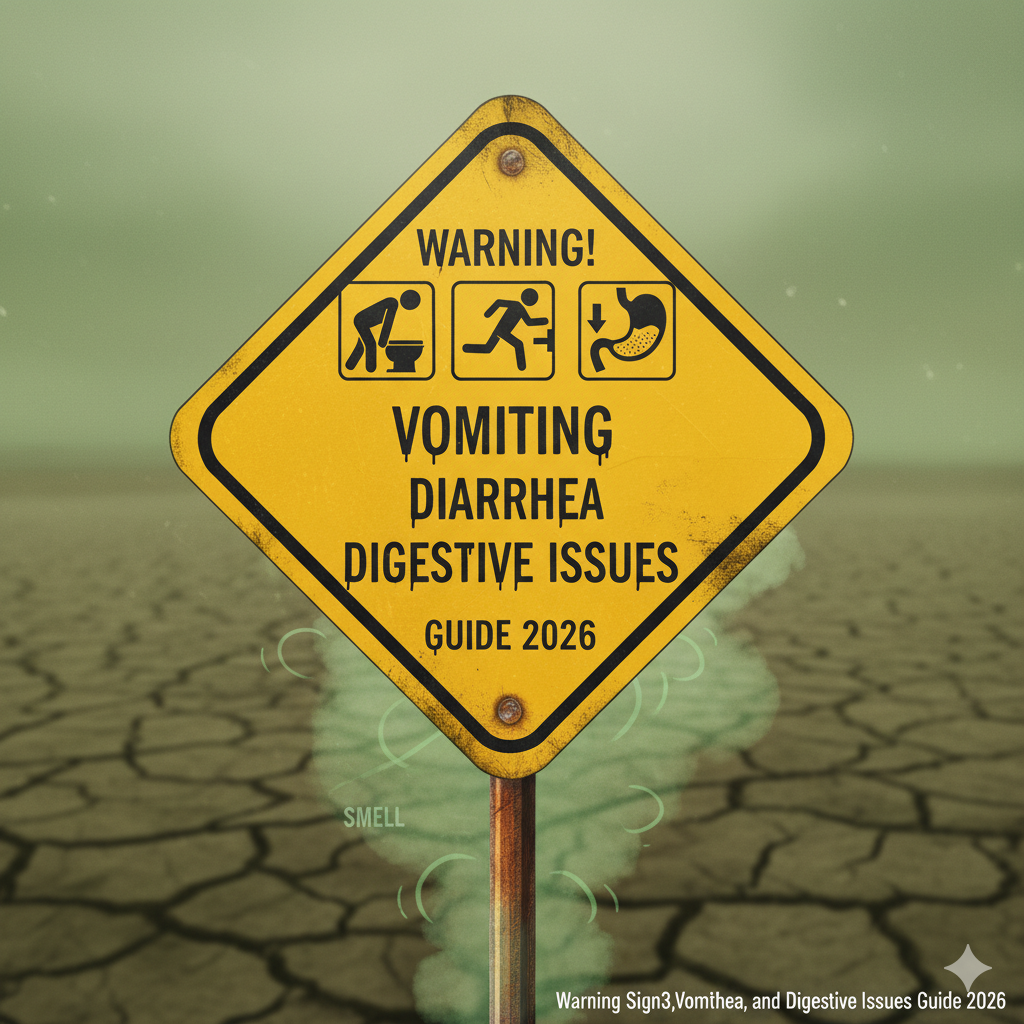
Warning Sign3,Vomiting, Diarrhea, and Digestive Issues, As a devoted cat parent, witnessing your feline companion experience digestive distress can be deeply concerning. While occasional hairballs are normal, persistent vomiting, diarrhea, and digestive issues represent critical warning signs that demand immediate attention. Understanding when these symptoms cross the line from minor inconvenience to serious health threat could save your cat’s life. Digestive problems in cats often serve as your pet’s primary communication method for underlying conditions ranging from dietary indiscretion to life-threatening diseases like pancreatitis, inflammatory bowel disease, or even kidney failure.
Recognizing the signs of a sick cat early can mean the difference between a simple treatment and a complex medical emergency. This comprehensive guide explores the various manifestations of feline digestive issues, helping you distinguish between temporary upset and conditions requiring veterinary intervention. Whether your cat is experiencing acute vomiting episodes, chronic diarrhea, or subtle changes in appetite and elimination patterns, you’ll learn exactly what to watch for, when to worry, and how to respond effectively to protect your beloved companion’s health and well-being.It is most important questions What Are the Signs of a Sick Cat?
Understanding Normal vs. Abnormal Vomiting in Cats

Not all vomiting episodes indicate serious illness, but knowing the difference between occasional regurgitation and warning signs of a sick cat is essential for proper care. Cats may vomit occasionally due to hairballs, eating too quickly, or minor dietary changes, but frequent or severe episodes signal underlying digestive issues that require professional evaluation.
- Frequency matters: Vomiting more than twice weekly indicates a chronic problem requiring veterinary diagnosis
- Color and content analysis: Yellow bile suggests empty stomach issues, while blood-tinged vomit demands immediate attention
- Timing patterns: Vomiting immediately after eating differs significantly from delayed digestive rejection
- Associated symptoms: Combining vomiting with lethargy, diarrhea, or appetite loss intensifies concern levels
- Hairball distinction: True hairballs contain tubular hair masses, while frequent “hairball” vomiting without hair may mask serious digestive issues
Diarrhea: Types, Causes, and Critical Warning Signs
Diarrhea represents one of the most common digestive issues affecting cats, ranging from mild dietary sensitivity to severe inflammatory conditions. The consistency, frequency, and appearance of your cat’s stool provide valuable diagnostic clues about the severity of their condition and whether immediate veterinary care is necessary.
- Acute vs. chronic diarrhea: Single episodes may resolve independently, while persistent diarrhea lasting beyond 24-48 hours signals serious concern
- Stool appearance indicators: Black, tarry stools suggest upper GI bleeding, while red blood indicates lower intestinal problems
- Volume and frequency: Multiple large-volume episodes cause rapid dehydration, especially dangerous for kittens and senior cats
- Accompanying signs: Diarrhea combined with vomiting, fever, or pain creates emergency situations requiring immediate intervention
- Dehydration assessment: Skin tenting, sunken eyes, and dry gums alongside diarrhea indicate critical fluid loss
Common Digestive Issues Behind Gastrointestinal Symptoms

Multiple underlying conditions can manifest as vomiting and diarrhea, making accurate diagnosis essential for effective treatment. From food allergies to parasitic infections, inflammatory bowel disease to pancreatitis, understanding potential causes helps you communicate effectively with your veterinarian about your cat’s specific warning signs.
- Food sensitivities and allergies: Protein intolerance or sudden diet changes frequently trigger digestive upset in sensitive cats
- Parasitic infections: Roundworms, tapeworms, and Giardia commonly cause persistent diarrhea and vomiting in cats
- Inflammatory bowel disease (IBD): Chronic inflammation produces ongoing digestive issues resistant to simple dietary modifications
- Pancreatitis: This serious condition causes severe vomiting, abdominal pain, and requires aggressive veterinary treatment
- Foreign body obstruction: Ingested toys, string, or other objects create life-threatening blockages presenting as vomiting
When Digestive Problems Signal Life-Threatening Emergencies
Certain presentations of vomiting, diarrhea, and digestive issues constitute veterinary emergencies that cannot wait for regular office hours. Recognizing these critical warning signs of a sick cat ensures you seek appropriate care before conditions deteriorate beyond successful treatment options.
- Projectile or bloody vomiting: Both presentations suggest severe conditions requiring immediate emergency veterinary assessment
- Complete appetite loss exceeding 24 hours: Cats develop hepatic lipidosis (fatty liver disease) rapidly when not eating
- Severe lethargy or collapse: Extreme weakness accompanying digestive symptoms indicates systemic failure or sepsis
- Painful abdomen: Cats crying when touched, hunching posture, or guarding their belly signal acute abdominal crisis
- Persistent retching without production: This classic sign of obstruction demands emergency surgical evaluation
Diagnostic Approaches for Chronic Digestive Issues

When your cat experiences ongoing vomiting, diarrhea, and digestive issues beyond acute episodes, comprehensive diagnostic testing becomes necessary to identify root causes. Modern veterinary medicine offers numerous tools to investigate persistent gastrointestinal problems and develop targeted treatment plans.
- Blood work panels: Complete blood counts and chemistry profiles reveal organ function, infection, and metabolic abnormalities
- Fecal examinations: Multiple tests detect parasites, bacterial overgrowth, and microscopic inflammatory markers
- Imaging studies: X-rays and ultrasound visualize foreign bodies, masses, organ abnormalities, and structural problems
- Endoscopy procedures: Direct visualization with biopsies provides definitive diagnosis for inflammatory and neoplastic conditions
- Food elimination trials: Systematic dietary testing identifies specific allergens triggering digestive reactions
Home Care and Supportive Treatment Strategies
While veterinary diagnosis remains essential for serious or persistent digestive issues, appropriate home care supports your cat’s recovery and prevents complications. Understanding when home management is appropriate versus when professional care is mandatory helps you make informed decisions about your pet’s health.
- Gradual dietary transitions: Slowly introducing bland diets (boiled chicken, plain rice) helps settle upset stomachs
- Hydration support: Ensuring fresh water access and monitoring intake prevents dangerous dehydration from fluid losses
- Temporary fasting: Brief 12-24 hour food withholding (water only) sometimes allows inflamed digestive systems to rest
- Probiotic supplementation: Beneficial bacteria support intestinal health and recovery from diarrhea episodes
- Stress reduction: Minimizing household changes and providing quiet rest areas aids digestive system healing
Prevention Strategies and Long-Term Digestive Health

Proactive measures significantly reduce the frequency and severity of vomiting, diarrhea, and digestive issues in cats. By implementing preventive strategies and maintaining awareness of your cat’s normal patterns, you’ll quickly identify warning signs of a sick cat before conditions escalate into serious health crises.
- Consistent high-quality diet: Premium nutrition formulated for your cat’s life stage minimizes digestive upset risks
- Regular parasite prevention: Monthly preventatives protect against intestinal parasites causing chronic digestive problems
- Gradual food changes: Transitioning diets over 7-10 days prevents acute gastrointestinal reactions
- Environmental enrichment: Reducing stress through play, vertical space, and routine stability supports digestive health
- Annual wellness examinations: Regular veterinary visits detect subtle changes before they manifest as serious digestive issues
FAQs
Is it normal for cats to vomit occasionally?
Yes, occasional vomiting (once or twice monthly) can be normal for cats, especially related to hairballs. However, frequent vomiting (more than twice weekly) is abnormal and signals digestive issues requiring veterinary attention.
- Hairballs are normal 1-2 times monthly in healthy cats
- Eating too fast can cause immediate regurgitation occasionally
- Vomiting more than twice weekly indicates underlying problems
- Blood in vomit is never normal and requires emergency care
- Chronic vomiting damages esophagus and indicates serious illness
When should I take my cat to the vet for vomiting?
Yes, take your cat to the vet immediately if vomiting occurs more than twice in 24 hours, contains blood, or accompanies lethargy, diarrhea, or appetite loss.
- Vomiting with blood (red or coffee-ground appearance) needs emergency care
- Multiple episodes within 24 hours signal acute digestive issues
- Vomiting combined with diarrhea causes dangerous dehydration rapidly
- Lethargy or weakness alongside vomiting indicates systemic illness
- Inability to keep water down for 12+ hours requires immediate attention
What does it mean when my cat has diarrhea and vomiting together?
No, this combination is not normal and indicates gastroenteritis, poisoning, parasites, or serious digestive issues. This dual symptom presentation requires prompt veterinary evaluation within 24 hours.
- Simultaneous vomiting and diarrhea causes rapid life-threatening dehydration
- Common causes include food poisoning, parasites, or viral infections
- Pancreatitis frequently presents with both digestive symptoms together
- Kittens and senior cats deteriorate fastest with combined symptoms
- Inflammatory bowel disease often triggers both vomiting and diarrhea
Can cat food cause vomiting and diarrhea?
Yes, food allergies, sudden diet changes, spoiled food, or low-quality ingredients commonly trigger vomiting and diarrhea in cats with sensitive digestive systems.
- Abrupt food transitions cause digestive upset in 60% of cats
- Protein allergies (chicken, beef, fish) trigger chronic digestive issues
- Spoiled or contaminated food causes acute gastroenteritis symptoms
- High-fat foods overwhelm feline digestive systems causing vomiting
- Grain fillers and artificial additives irritate sensitive cat stomachs
How long can a cat have diarrhea before it’s serious?
No, diarrhea lasting beyond 24-48 hours is serious and requires veterinary care. Acute diarrhea exceeding two days indicates underlying digestive issues needing professional diagnosis.
- Single episodes resolving within 24 hours may be dietary indiscretion
- Diarrhea persisting 48+ hours causes severe dehydration and electrolyte imbalance
- Bloody diarrhea at any duration constitutes veterinary emergency
- Chronic diarrhea (weeks/months) signals IBD, parasites, or organ disease
- Kittens with diarrhea need same-day veterinary evaluation regardless
What color vomit is bad for cats?
Yes, red (blood), black (digested blood), or green vomit indicates serious digestive issues. Yellow bile vomit suggests empty stomach problems, while white foam is usually less concerning.
- Red or pink vomit indicates active bleeding requiring emergency care
- Black or brown “coffee ground” vomit signals upper GI bleeding
- Green vomit may indicate bile reflux or intestinal obstruction
- Yellow bile typically means vomiting on empty stomach repeatedly
- Clear liquid or white foam is least concerning vomit type
Can worms cause vomiting and diarrhea in cats?
Yes, intestinal parasites (roundworms, tapeworms, hookworms, Giardia) commonly cause chronic vomiting, diarrhea, and weight loss in infected cats requiring deworming treatment.
- Roundworms cause vomiting with visible worms in vomit or stool
- Giardia parasites trigger persistent watery diarrhea and weight loss
- Hookworms cause bloody diarrhea and anemia in severe cases
- Tapeworms appear as rice-like segments around anus and stool
- Monthly parasite prevention eliminates most digestive parasite problems
What home remedies help cat vomiting and diarrhea?
No, home remedies should never replace veterinary care for serious symptoms. Temporary fasting (12-24 hours), bland diet, and hydration support mild cases only after veterinary consultation.
- Withhold food 12-24 hours allowing digestive system rest (water only)
- Plain boiled chicken and rice as bland diet transition
- Ensure constant fresh water access preventing dehydration complications
- Probiotics support beneficial gut bacteria during recovery period
- Never give human medications without explicit veterinary authorization
Is my cat vomiting because of hairballs or something serious?
No, if “hairballs” occur more than twice monthly without actual hair, don’t assume they’re hairballs. True hairballs contain tubular hair masses; frequent vomiting without hair signals digestive issues.
- True hairballs produce cylindrical hair masses visibly expelled
- Vomiting without hair indicates gastritis, not hairball problems
- Excessive grooming from stress/allergies increases genuine hairball frequency
- Hairball remedies (petroleum-based lubricants) help legitimate hairball issues
- Chronic “hairball” vomiting warrants diagnostic workup for underlying disease
Can stress cause digestive issues in cats?
Yes, stress significantly impacts feline digestive health, triggering vomiting, diarrhea, and inflammatory bowel disease flare-ups. Environmental changes, new pets, or routine disruptions cause stress-related digestive problems.
- Moving homes ranks as top digestive stress trigger for cats
- New pets or family members disrupt territory causing stomach upset
- Loud noises, construction, or household chaos induces stress vomiting
- Litter box changes or placement alterations create digestive anxiety
- Chronic stress weakens immune system allowing digestive disease development
Conclusion:
Vomiting, diarrhea, and digestive issues represent critical warning signs that every cat owner must understand and monitor carefully. While occasional mild episodes may resolve with simple home care, persistent or severe symptoms demand immediate veterinary attention to prevent serious complications. By recognizing the signs of a sick cat early, maintaining open communication with your veterinarian, and implementing preventive strategies, you protect your feline companion’s digestive health and overall well-being. Remember, when in doubt about any digestive symptoms, erring on the side of professional evaluation always serves your cat’s best interests and can literally save their life.