
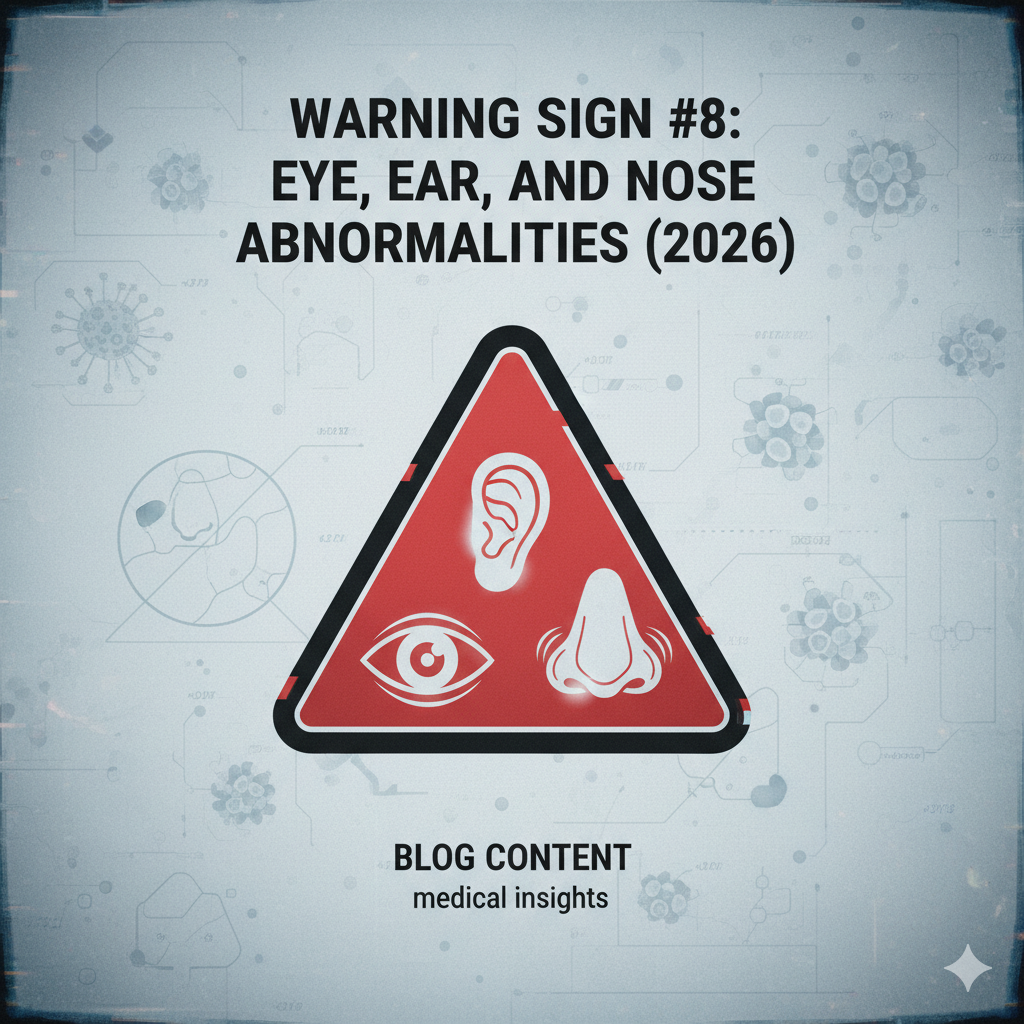
Warning Sign #8: Eye, Ear, and Nose Abnormalities (2026) ,When it comes to identifying the signs of a sick cat, abnormalities affecting the eyes, ears, and nose often serve as early warning indicators of serious underlying health conditions. These sensory organs are remarkably sensitive, and any deviation from their normal appearance or function should never be ignored. From discharge and inflammation to unusual odors and physical changes, eye, ear, and nose abnormalities can signal everything from minor infections to life-threatening systemic diseases. As a vigilant cat owner, understanding these warning signs empowers you to seek timely veterinary intervention, potentially preventing permanent damage to your feline companion’s vision, hearing, or respiratory health.
Cats instinctively mask illness as a survival mechanism, making it crucial to recognize subtle changes in their sensory organs before conditions escalate. Eye, ear, and nose abnormalities often appear together when cats suffer from upper respiratory infections, allergies, or immune-mediated diseases, creating a constellation of symptoms that demand immediate attention. This comprehensive guide explores the various manifestations of sensory organ problems in cats, helping you distinguish between temporary irritation and serious warning signs of a sick cat that require professional veterinary care. Whether your cat is experiencing watery eyes, head shaking, sneezing fits, or unusual nasal discharge, you’ll learn exactly what to watch for and when urgent action becomes necessary.This is a most important What Are the Signs of a Sick Cat? 10 Warning Symptoms for cat health.
Understanding Normal vs. Abnormal Eye Conditions in Cats

Healthy feline eyes should appear bright, clear, and symmetrical with minimal tearing and no visible discharge. However, eye abnormalities represent one of the most common warning signs of a sick cat, ranging from conjunctivitis and corneal ulcers to glaucoma and retinal disease. Recognizing when eye changes signal serious problems versus minor irritation is essential for preserving your cat’s vision and overall health.
- Discharge characteristics: Clear tears may indicate irritation, while yellow-green discharge signals bacterial infection requiring antibiotics
- Third eyelid visibility: A protruding nictitating membrane (third eyelid) indicates pain, dehydration, or systemic illness
- Pupil abnormalities: Unequal pupil sizes, dilated pupils in bright light, or constricted pupils suggest neurological problems
- Cloudiness or color changes: Blue-gray cloudiness indicates corneal damage, while yellowing suggests liver disease or jaundice
- Squinting and pawing: These behaviors signal painful eye conditions like ulcers, glaucoma, or foreign body presence
Ear Abnormalities: Recognizing Infection and Inflammation
Ear problems constitute significant warning signs of a sick cat, with infections, mites, polyps, and allergies creating discomfort and potential hearing loss. Cats with ear abnormalities typically exhibit head shaking, scratching, odor, and discharge that progresses from mild irritation to severe inflammation when left untreated.
- Discharge and odor: Dark, coffee-ground-like discharge indicates ear mites, while foul-smelling yellow-brown discharge suggests yeast or bacterial infection
- Redness and swelling: Inflamed ear canals appear bright red with visible swelling, signaling allergic reactions or advanced infections
- Head tilting and balance issues: Cats holding their head at unusual angles or circling may have middle or inner ear infections
- Excessive scratching behavior: Persistent ear scratching causing wounds or hair loss indicates intense discomfort from parasites or infection
- Ear hematomas: Swollen, fluid-filled ear flaps develop from vigorous head shaking and require surgical drainage
Nasal Discharge and Respiratory Warning Signs

Nose abnormalities frequently accompany upper respiratory infections in cats, with discharge color, consistency, and associated symptoms providing diagnostic clues. While occasional clear sneezing is normal, persistent nasal discharge, breathing difficulties, and facial swelling represent serious warning signs of a sick cat requiring immediate veterinary evaluation.
- Discharge color coding: Clear discharge suggests viral infection or allergies, while thick green-yellow discharge indicates bacterial infection
- Unilateral vs. bilateral discharge: Discharge from one nostril may signal foreign body, tumor, or dental abscess issues
- Breathing pattern changes: Open-mouth breathing, wheezing, or labored respiration indicates severe upper respiratory obstruction
- Facial swelling: Puffiness around nose or eyes suggests abscess, allergic reaction, or serious sinus infection
- Chronic sneezing with reverse sneezing: Persistent sneezing fits or gasping inhalations indicate nasal irritation or inflammation
Upper Respiratory Infections: The Common Culprit
Upper respiratory infections (URIs) represent the most frequent cause of combined eye, ear, and nose abnormalities in cats, particularly in multi-cat households, shelters, and recently adopted felines. Caused primarily by feline herpesvirus and calicivirus, URIs create constellation symptoms affecting multiple sensory organs simultaneously.
- Viral transmission: Highly contagious feline herpesvirus spreads through direct contact, causing chronic recurring eye and nose abnormalities
- Secondary bacterial infections: Initial viral infections allow opportunistic bacteria to colonize, worsening eye, ear, and nose discharge
- Stress-triggered reactivation: Previously infected cats experience recurrent URI symptoms during stressful events throughout their lives
- Vaccination importance: Core vaccines significantly reduce severity of eye, ear, and nose abnormalities from respiratory infections
- Isolation requirements: Infected cats need separation from healthy cats to prevent transmission of these warning signs
Allergies and Environmental Triggers
Allergic reactions commonly manifest as eye, ear, and nose abnormalities in sensitive cats, with environmental allergens, food proteins, and parasites triggering inflammatory responses. Unlike infections, allergies typically produce symmetrical symptoms without fever and may follow seasonal patterns.
- Seasonal allergies: Pollen, mold, and grass allergies cause watery eyes, sneezing, and ear inflammation during specific seasons
- Food sensitivities: Protein allergies manifest as itchy ears, facial swelling, and chronic ear infections alongside digestive issues
- Flea allergy dermatitis: Even single flea bites trigger intense allergic reactions causing ear inflammation and facial scratching
- Contact allergens: New litters, cleaning products, or fabrics cause localized eye, ear, and nose irritation in susceptible cats
- Diagnosis through elimination: Identifying specific allergens requires systematic elimination trials and allergy testing protocols
Serious Diseases Presenting with Sensory Organ Symptoms

Certain life-threatening conditions initially present as seemingly minor eye, ear, and nose abnormalities before revealing their true severity. Recognizing these warning signs of a sick cat early enables timely diagnosis and treatment of underlying systemic diseases.
- Feline immunodeficiency virus (FIV): Causes chronic eye infections, nasal discharge, and recurring ear problems from weakened immunity
- Feline leukemia virus (FeLV): Produces persistent upper respiratory symptoms and eye abnormalities resistant to standard treatments
- Hypertension complications: High blood pressure causes sudden blindness, retinal detachment, and pupil abnormalities in senior cats
- Lymphoma presentations: Nasal lymphoma creates facial swelling, nosebleeds, and breathing difficulties requiring emergency intervention
- Dental disease connections: Tooth root abscesses frequently cause facial swelling, nasal discharge, and eye problems
Emergency Situations Requiring Immediate Veterinary Care
Certain presentations of eye, ear, and nose abnormalities constitute true veterinary emergencies that cannot wait for regular office hours. Recognizing these critical warning signs of a sick cat ensures you seek appropriate emergency care before irreversible damage occurs.
- Sudden blindness or pupil changes: Acute vision loss or unequal pupils indicate stroke, hypertension, or retinal detachment emergencies
- Eyeball protrusion or recession: Eyes bulging forward or sinking backward signal trauma, tumors, or severe infection
- Difficulty breathing: Open-mouth breathing, blue-tinged gums, or gasping indicates life-threatening respiratory obstruction
- Profuse nosebleeds: Continuous nasal bleeding suggests trauma, clotting disorders, or nasal tumors requiring immediate intervention
- Sudden severe head tilt with vomiting: Indicates vestibular disease or stroke requiring emergency neurological assessment
Preventive Care and Early Detection Strategies

Proactive monitoring and preventive veterinary care significantly reduce the severity and frequency of eye, ear, and nose abnormalities in cats. By implementing routine examination protocols and maintaining awareness of your cat’s normal baseline, you’ll quickly identify warning signs of a sick cat before conditions deteriorate into serious health crises.
- Weekly home examinations: Regularly check eyes for discharge, ears for odor and debris, and nose for breathing quality
- Environmental management: Reduce allergen exposure through air purifiers, hypoallergenic litters, and frequent cleaning routines
- Vaccination compliance: Maintain current respiratory vaccines preventing severe eye, ear, and nose abnormalities from infections
- Stress reduction: Minimize environmental stressors that trigger URI recurrence and suppress immune function in susceptible cats
- Annual wellness visits: Comprehensive veterinary examinations detect subtle eye, ear, and nose changes before symptoms become obvious
FAQs
What do abnormal cat eyes look like?
Yes, abnormal cat eyes show visible changes including discharge (yellow, green, or brown), cloudiness, redness, squinting, unequal pupil sizes, or a visible third eyelid. These eye abnormalities are warning signs of infection, injury, or systemic disease.
- Yellow or green discharge indicates bacterial eye infection needing antibiotics
- Cloudy blue-gray appearance signals corneal ulcers or glaucoma damage
- Third eyelid showing across eye indicates pain or serious illness
- Unequal pupil sizes suggest neurological problems or eye trauma
- Constant squinting or pawing at eyes means painful conditions present
What does it mean when my cat has discharge from eyes and nose?
Yes, this indicates upper respiratory infection, allergies, or feline herpesvirus. Combined eye and nose discharge is one of the most common warning signs of a sick cat requiring veterinary attention.
- Clear discharge suggests viral infection or environmental allergies initially
- Thick yellow-green discharge indicates secondary bacterial infection developed
- Feline herpesvirus causes chronic recurring eye and nose abnormalities
- Sneezing with discharge confirms upper respiratory infection diagnosis
- Both eyes and nostrils affected typically means systemic illness present
How do I know if my cat has an ear infection?
Yes, ear infection signs include dark discharge, foul odor, head shaking, scratching at ears, redness, and tilting head to one side. These ear abnormalities require prompt veterinary treatment to prevent hearing loss.
- Coffee-ground-like dark discharge indicates ear mite infestation problem
- Yellow-brown discharge with yeast smell signals fungal infection
- Constant head shaking and scratching causes ear hematomas formation
- Red, swollen ear canals visible when examining inside ears
- Head tilting or balance issues indicate middle ear infection spreading
Can cat eye problems cause blindness?
Yes, untreated eye abnormalities including glaucoma, retinal detachment, corneal ulcers, and hypertension can cause permanent blindness in cats. Early detection and treatment are critical for preserving vision.
- Glaucoma causes irreversible optic nerve damage within hours or days
- High blood pressure triggers sudden retinal detachment and immediate blindness
- Deep corneal ulcers perforate causing eye rupture and vision loss
- Chronic untreated infections scar corneas creating permanent cloudiness
- Uveitis inflammation damages internal eye structures causing gradual blindness
What causes cat nose discharge?
Yes, nose discharge results from upper respiratory infections, allergies, dental disease, foreign objects, or nasal tumors. The color and consistency of nasal abnormalities help determine the underlying cause.
- Clear watery discharge indicates viral infection or allergic reaction
- Thick green-yellow discharge signals bacterial sinus infection present
- One-nostril discharge suggests foreign body or dental abscess
- Blood-tinged discharge may indicate trauma, tumor, or clotting disorder
- Chronic sneezing with discharge confirms ongoing nasal inflammation issue
Are watery cat eyes normal?
No, persistent watery eyes are not normal and indicate eye abnormalities like blocked tear ducts, allergies, conjunctivitis, or corneal irritation. Occasional tearing is normal, but constant watering requires veterinary examination.
- Flat-faced breeds (Persians, Himalayans) naturally have more tearing issues
- Clear tears without redness may indicate blocked nasal-lacrimal ducts
- Watery eyes with squinting signal painful corneal ulcer present
- Seasonal watery eyes suggest environmental allergy triggers
- Excessive tearing with thick discharge confirms infection developed
Why does my cat keep shaking their head?
Yes, persistent head shaking indicates ear abnormalities including ear mites, infections, allergies, polyps, or foreign objects lodged in ear canal. This behavior signals discomfort requiring veterinary investigation.
- Ear mites cause intense itching triggering constant head shaking
- Bacterial or yeast infections create painful inflammation and discharge
- Grass seeds or debris stuck in ear canal irritate lining
- Allergic reactions cause swollen, itchy ear canals and shaking
- Ear polyps or tumors create pressure sensation prompting shaking
Can allergies cause eye, ear, and nose problems in cats?
Yes, allergies commonly trigger combined eye, ear, and nose abnormalities in cats. Environmental allergens, food sensitivities, and flea allergies cause watery eyes, itchy ears, and sneezing as warning signs.
- Seasonal pollen allergies cause watery eyes and clear nasal discharge
- Food allergies manifest primarily as chronic ear infections and inflammation
- Flea allergy dermatitis triggers intense ear scratching and facial itching
- Dust and mold allergies produce year-round eye and nose symptoms
- Contact allergies from litter or cleaning products irritate eyes and nose
What does a sick cat’s nose look like?
Yes, a sick cat’s nose shows abnormalities including colored discharge (yellow, green, blood-tinged), crusty buildup around nostrils, swelling, paleness, or dry cracked texture. Healthy cat noses are typically moist and clean.
- Thick colored discharge indicates bacterial or fungal sinus infection
- Crusty buildup around nostrils suggests chronic upper respiratory disease
- Pale or white nose color signals anemia or poor circulation
- Swollen nose bridge indicates abscess, tumor, or severe infection
- Dry cracked nose with fever confirms systemic illness present
When should I take my cat to the vet for eye problems?
Yes, take your cat immediately for eye problems including sudden vision changes, pupil abnormalities, eye discharge, squinting, cloudiness, redness, or visible third eyelid. Eye abnormalities can become emergencies within hours.
- Sudden blindness or dilated pupils indicate hypertension emergency requiring immediate care
- Any eye discharge (especially colored) needs same-day veterinary examination
- Squinting with tearing suggests painful corneal ulcer needing urgent treatment
- Bulging or sunken eyeballs constitute true veterinary emergencies
- Third eyelid visible across eye signals pain or serious systemic illness
Conclusion:
Eye, ear, and nose abnormalities serve as critical warning signs of a sick cat that every responsible pet owner must understand and monitor vigilantly. From minor allergic reactions to life-threatening diseases, changes in these sensory organs provide valuable diagnostic information about your cat’s overall health status. By recognizing abnormal discharge, inflammation, behavioral changes, and breathing difficulties early, you enable timely veterinary intervention that can preserve your cat’s vision, hearing, and quality of life. Remember that cats expertly hide illness, making regular home examinations and immediate response to any eye, ear, and nose abnormalities essential components of responsible feline care. When in doubt about any sensory organ changes, always consult your veterinarian promptly—early detection and treatment dramatically improve outcomes for virtually all conditions affecting your beloved companion’s eyes, ears, and nose.